
Raspberry Cane
About the track from the album, The Sound of the Word

“Each and every day I wake, I take a stone from off the hill.”
“Raspberry Cane” is one of two songs on The Sound of The Word that I wrote for my first CD, Elemental Lullabye in 1994. Since moving back to Vermont in 2015 I’ve been surprised by the renewed connection and meaning those songs still have for me. Here’s a bit of backstory for “Raspberry Cane.”
Listen to the song, here. (scroll down for lyrics)
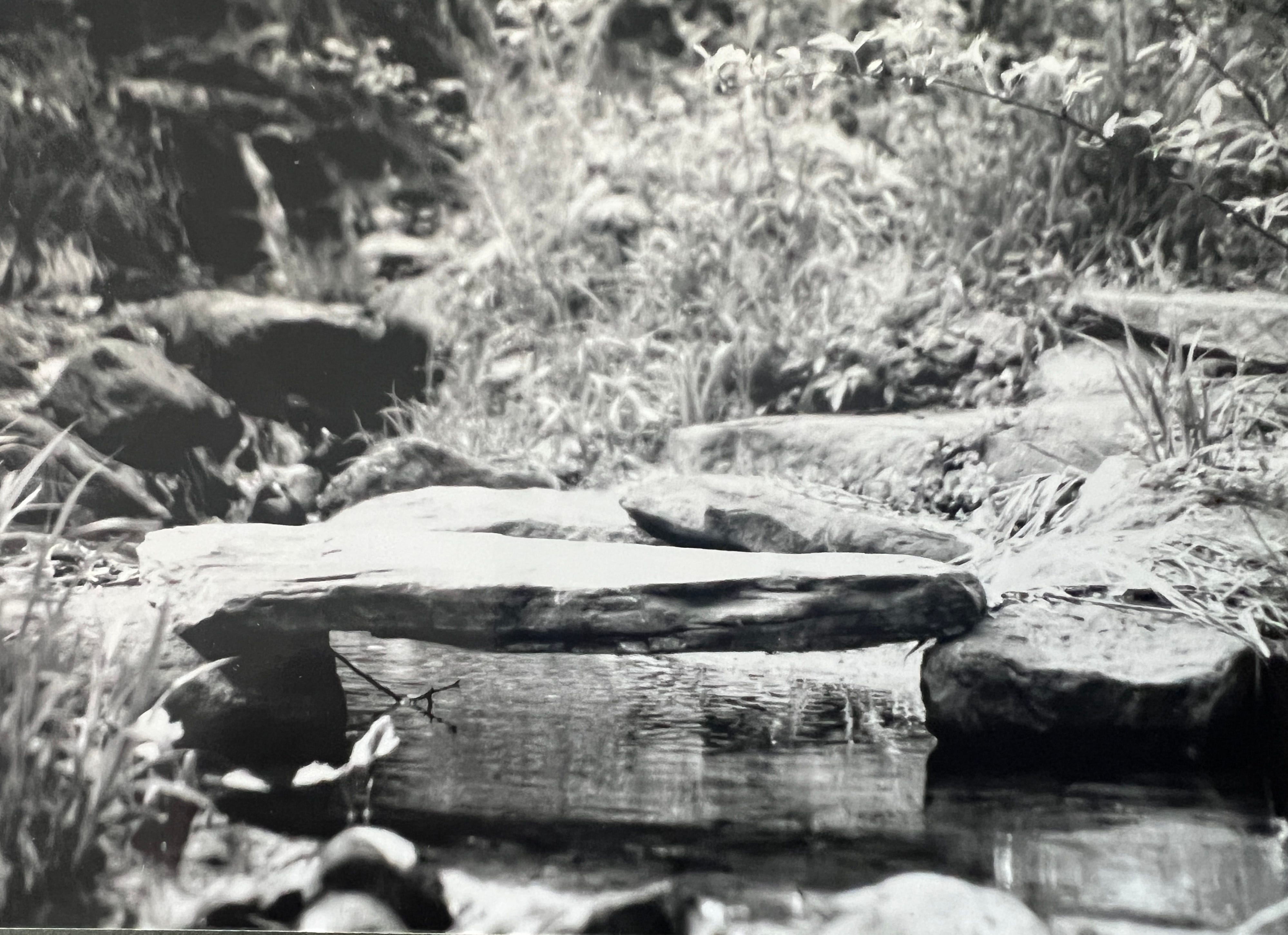
In my teens and twenties I tried living in the city. Many times. I told myself that’s where the music is. That’s where it’s all happening and where my fortune will be made. Sometimes I lasted six months. Often I lasted only two or three weeks before I broke down, left behind my deposit, first and last month’s, got on a Greyhound bus, or just walked to the nearest interstate onramp. With backpack and guitar I stuck out my thumb, desperate for someplace quieter, where there were more trees and less concrete.
In 1986 I landed in Northampton, Massachusetts. The mid-sized college town had a balance of everything I needed: a job, culture, friendly people, music, and coffee places where I could be left alone to write yet still be surrounded by people. Nature was nearby. Smith College campus was a veritable arboretum with ancient copper beeches, a massive ginkgo, and the very first dawn redwoods brought over from China in the 1940s. Even the Connecticut River floodplain, bordered by farm fields and marshy forests, felt wild in its way. I could tell I was getting closer to whatever it was I was looking for.
Then I discovered Vermont.
The irony was that I was just beginning to gain traction as a songwriter, if just locally. I had recently made my first professional recording and was getting booked for gigs. But I also had just met someone who would become my first wife, and the nesting instinct was strong. It was up to Vermont we went. Could we have simply gone a half hour up I-91 and crossed the border into Southern Vermont? In hindsight, I suppose we could have, but something undefinable was pulling us much further north—far from anything we knew.
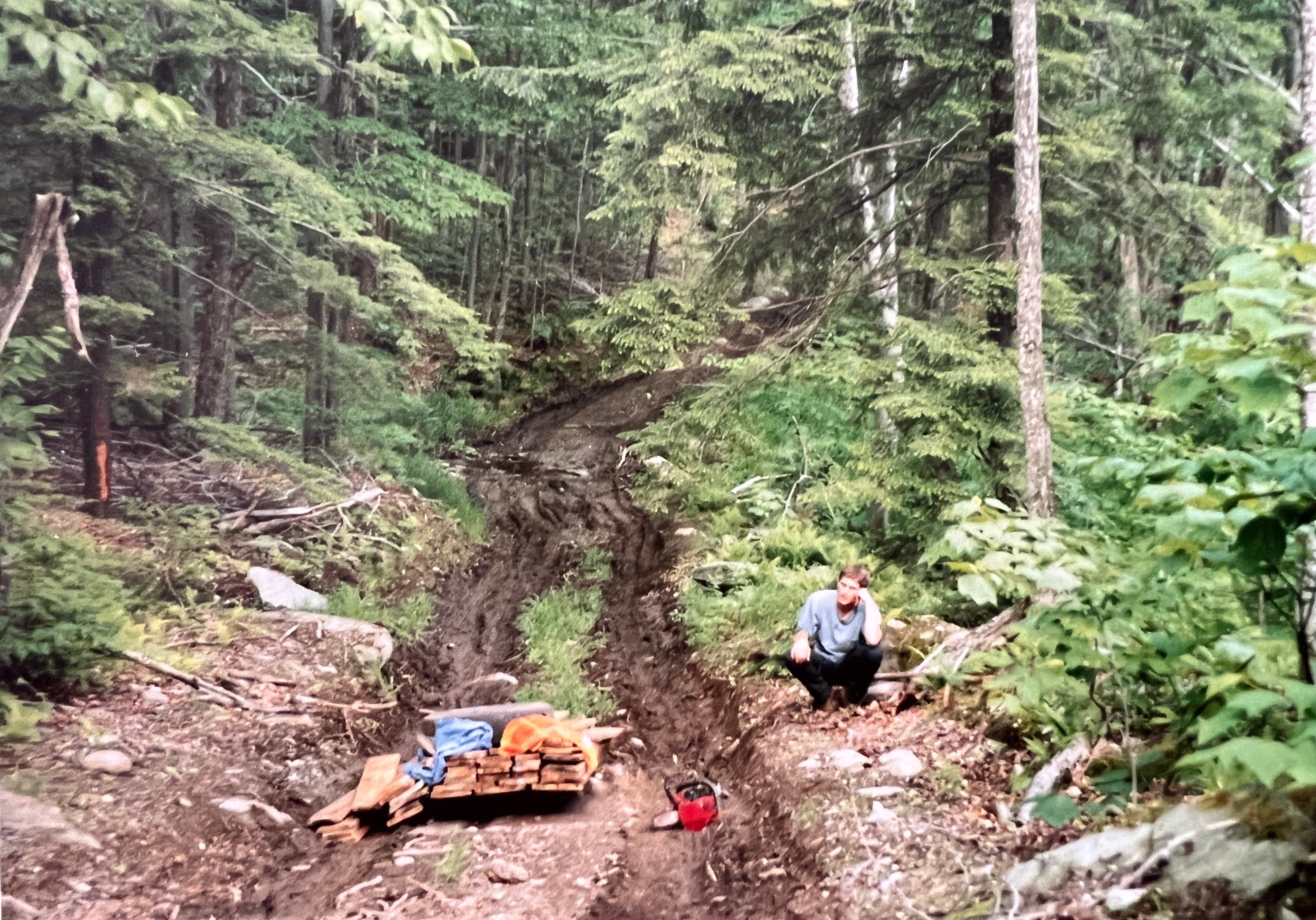
Up a muddy and rutted fourth-class road in the northern Green Mountain forest, I built a home. I felled trees, bucked logs and burned brush to clear the site. The house was built from green, rough-sawn lumber with a level and plumb, a hammer and nails, a square, hand saws and a chainsaw. There was no electricity and no plumbing, though we did have an outhouse with a lovely view. Water we gathered from a brook nearby—it always ran clear and clean. Locals called it a camp, but it was a warm, four-season home for me and my bride.
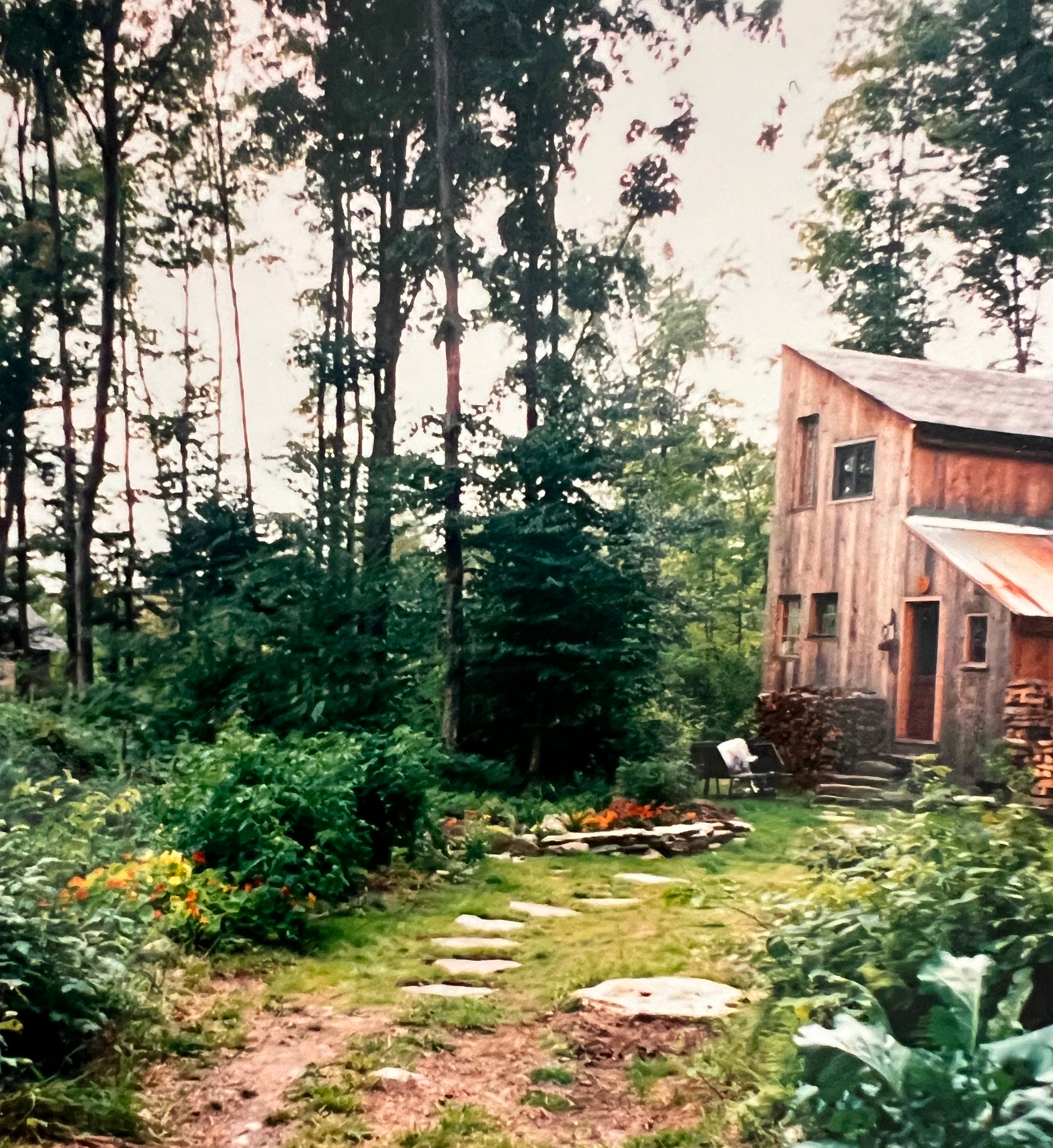
I got strong, too. I built stone walls, paths with pavers, and foundations for the outhouse and shed. The rocks spoke to me in their knock and clink sort of language. If you listened they told you when they fit together. When combined, their individual asymmetry became a collective symmetry. We balanced each other. To this day, moving rocks around is a pleasing pastime.
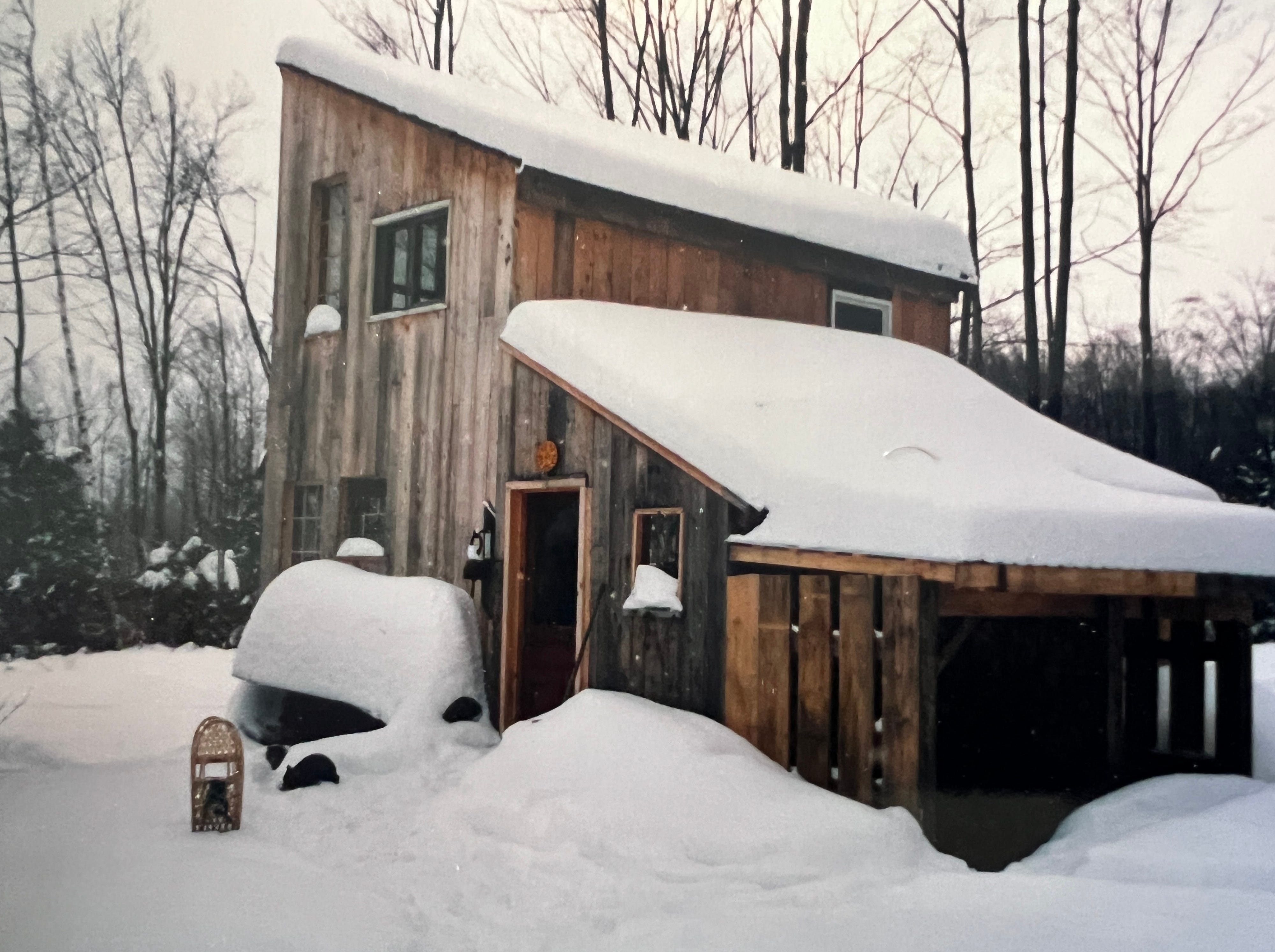
But life got real. A child came, which we unquestionably loved. I spent all hours working in my fledgling bakery business a half-hour away in Newport. I didn’t comprehend then, the effect on my partner that the long hours with an infant in the isolation of a house deep in the forest would have. The place was idyllic in so many ways, but with no plumbing, electricity and companionship from an extended community, it was just plain hard living. We were young and didn’t have the experience, communication skills, or vision-of-life to pivot gracefully to a more sustainable situation. Mother and son left to live in more communal and supportive environs while I clung stubbornly to the homestead and business.
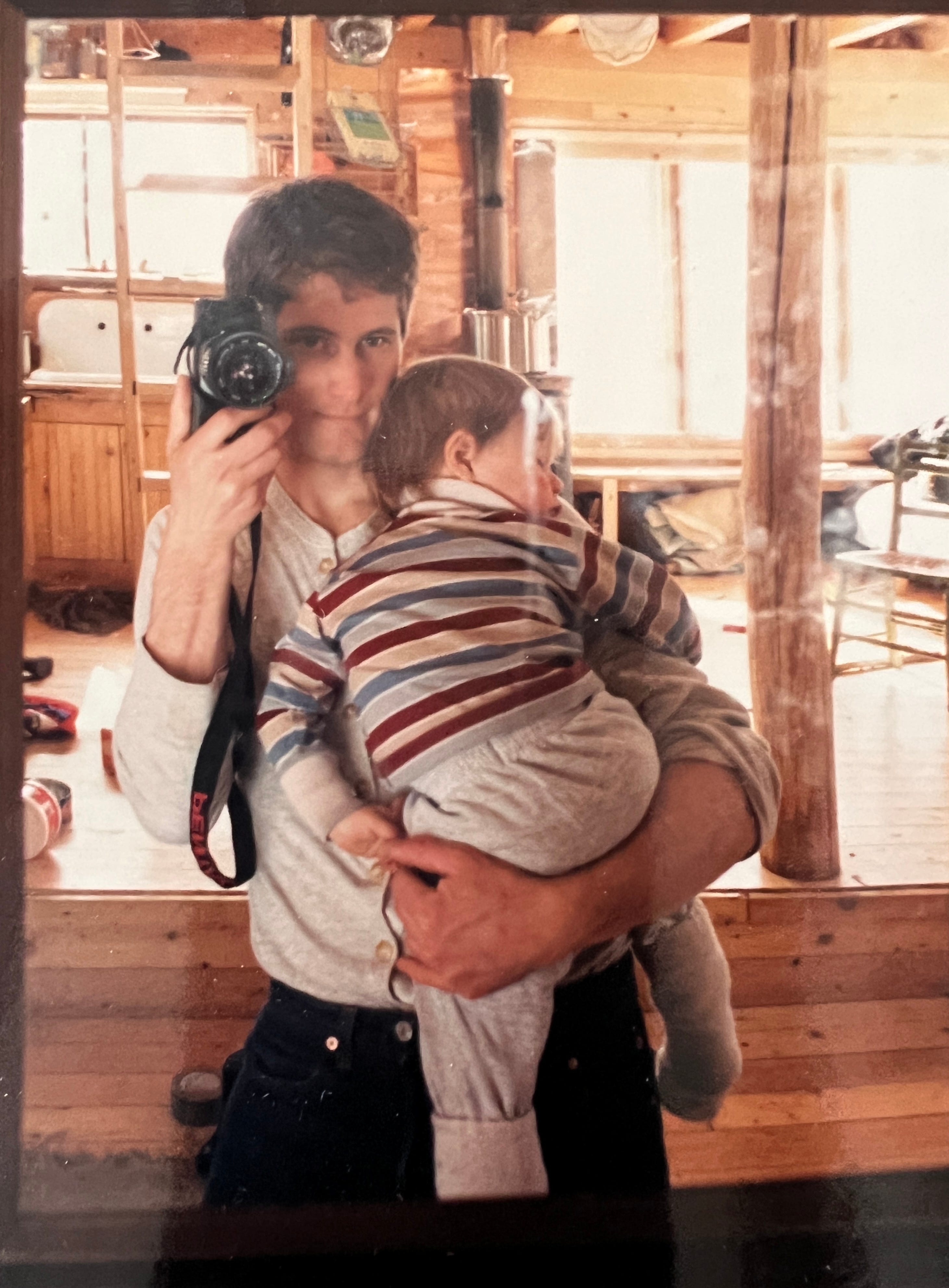
I wrote the songs for my first album, Elemental Lullabye, during this time. “Raspberry Cane” was one of them. I was fending off loneliness, the breakup of a marriage, and the loss of being near my son on a daily basis. There was also something about the intensity of the isolation of that homestead that forced open avenues of communion with my surroundings: the flora and fauna, the weather, the silence, the work and rhythm of the place. I learned loud and clear during my time at the “camp” in the forest that no matter where you live or what you do, there are always things that we have to do most every single day.
“Raspberry Cane” is a joyful song about connection with the fundamental forces of nature. It’s a song about surrendering to the rhythm of life and the necessity of doing things over and over again as one must. On some level, I was preparing for the next phase of my life which, though I didn’t want to admit it, might have something to do with traveling to cities.
Raspberry Cane

Each and every day I wake I take a stone from off the hill
I put 'em in that old stone row and make it longer still
I put 'em here, put 'em there stories much the same
There's never been a year gone by I ain't pulling raspberry cane

I got dirty feet from pulling the plow I got hard and calloused hands
I'm putting the seed here in the ground 'cause it's my promised land
When the full moon comes in October and the leaves have gone away
You're still gonna find a little sweet green upon the raspberry cane

I go down to the brook below to hear her waters sing
And up on the hill old man pine he show me everything
And in the towns and cities fair where no one knows my name
I will sing the song pass the word along about the raspberry cane

Each and every day I wake I take a stone from off the hill
I put 'em in that old stone row and make it longer still
I put 'em here, put 'em there stories much the same
There's never been a year gone by I ain't pulling raspberry cane
Beautiful writing, Dana: I love hearing in more detail about your past, and the history--roots--of the song; which, of course, I also enjoy.